
Choosing the right car floor mats for wholesale involves much more than comparing product photos and unit prices.
For car accessory distributors, a successful sourcing decision depends on several factors: material quality, product consistency, manufacturing capability, customization options, lead time, quality control, and total landed cost.
A low quotation may look attractive at first, but inconsistent quality, delayed shipments, unsuitable materials, or poor fitment can quickly increase your actual sourcing costs.
This guide explains what B2B buyers should evaluate when sourcing bulk car floor mats and how to compare potential suppliers more effectively.
1. Start with the Right Type of Car Floor Mat
Before comparing car mat suppliers, define what type of product fits your target market.
Car floor mats are available in different materials, designs, price levels, and applications.
Common categories include:
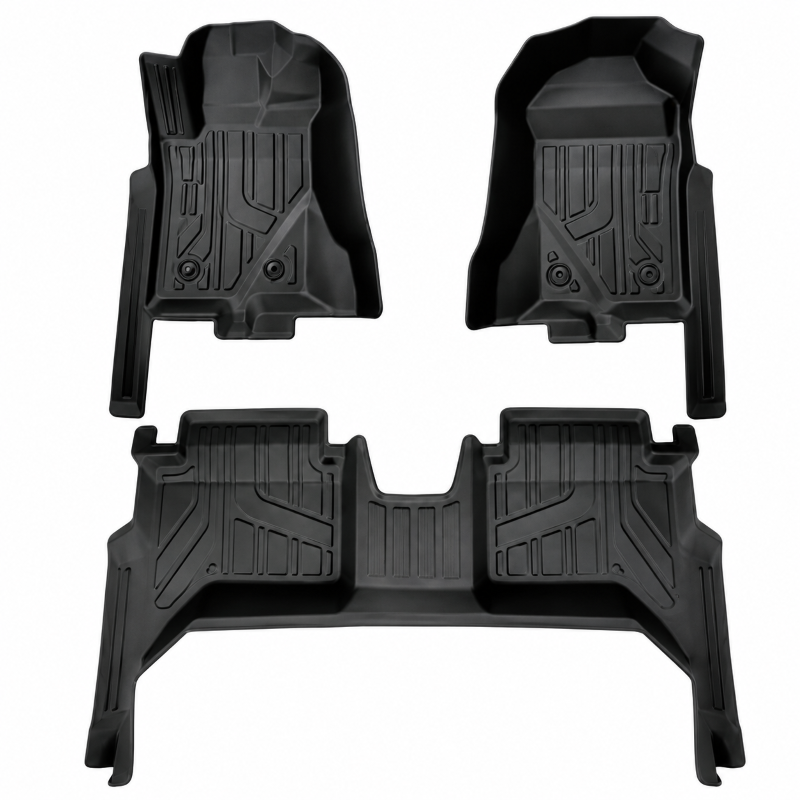
A.TPE Car Mats
TPE (Thermoplastic Elastomer) is widely used for molded car floor mats.
It is particularly suitable for vehicle-specific car mats. Because it can be combined with 3D scanning and precision molding to create complex contours, raised edges, channels, and textured surfaces.
TPE can be a good option for:
- Vehicle-specific car floor mats
- All-weather product lines
- Private-label programs
- OEM/ODM projects
- Premium automotive accessory ranges
B. Rubber Car Mats
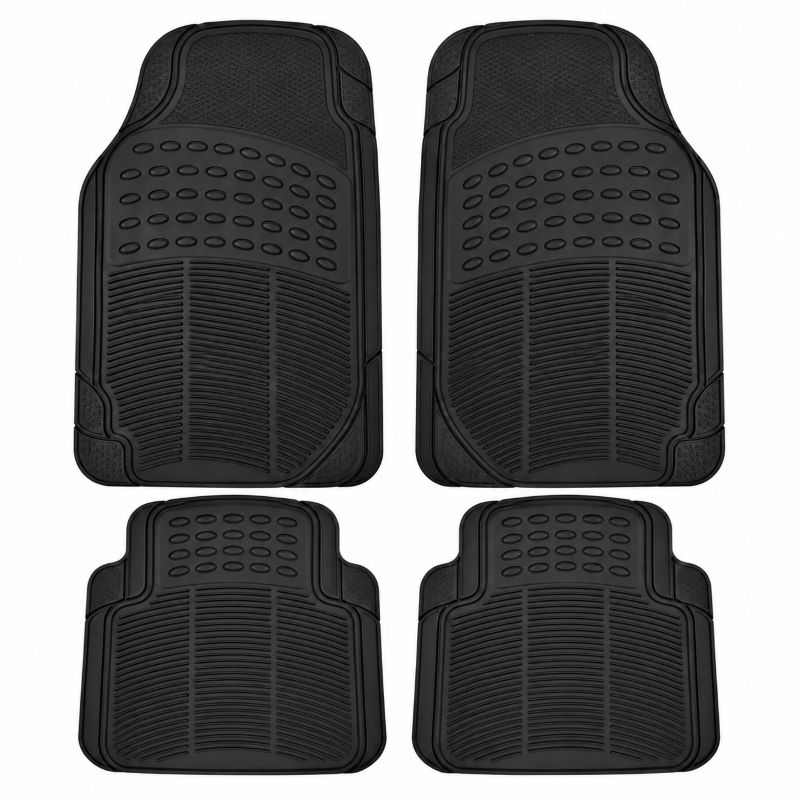
Rubber is commonly used for durable and heavy-duty car floor protection.
Depending on the formulation and product design, rubber car mats can be suitable for:
- Universal applications
- Heavy-duty use
- Trucks and commercial vehicles
- Value-oriented product ranges
- All-weather applications
C. Carpet Car Mats
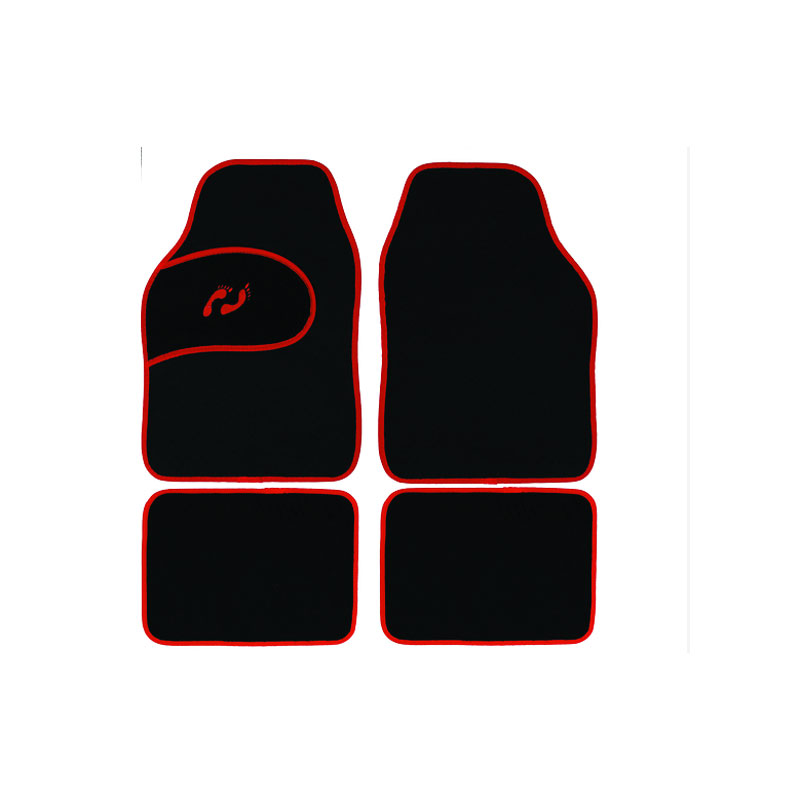
Carpet car mats are generally designed around comfort and interior appearance.
They can be suitable for:
- Passenger vehicles
- Premium interior product lines
- OEM replacement applications
- Customized branding programs
D. PVC and Other Materials
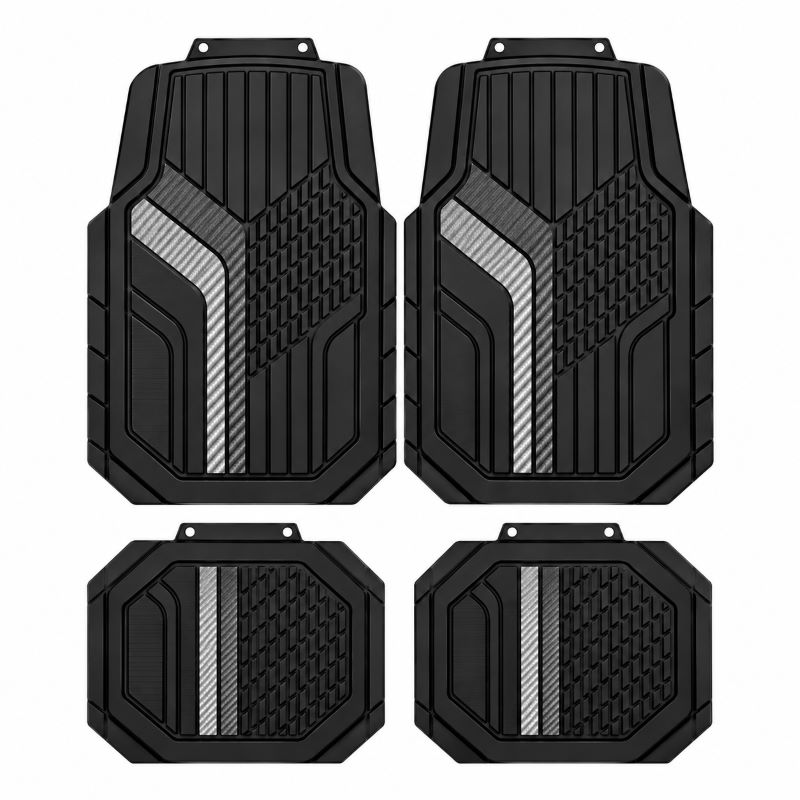
PVC and other synthetic materials can also be used for economical or specialized car floor mats.
The right choice depends on your target price, market positioning, climate, vehicle applications, and customer expectations.
2. Define Your Target Market Before Requesting a Quote
A supplier cannot recommend the right car floor mat specification if your purchasing requirements are unclear.
Before requesting quotations, define several basic factors.
a.Target Market
Where will the products be sold?
Different markets may have different requirements regarding climate, vehicle models, material compliance, product style, and consumer preferences.
b.Target Vehicle Types
Determine whether you need products for:
- Sedans
- SUVs
- Pickup trucks
- Commercial vehicles
- Specific makes and models
- Universal applications
For vehicle-specific car mats, accurate vehicle data becomes especially important.
c. Product Positioning
Are you developing:
- Entry-level products
- Mid-range products
- Premium products
- Heavy-duty products
- Private-label products?
Strong, well-defined positioning helps you evaluate vendors against identical specifications, rather than weighing entirely different offerings based solely on price.
3. Evaluate the Supplier’s Manufacturing Capability
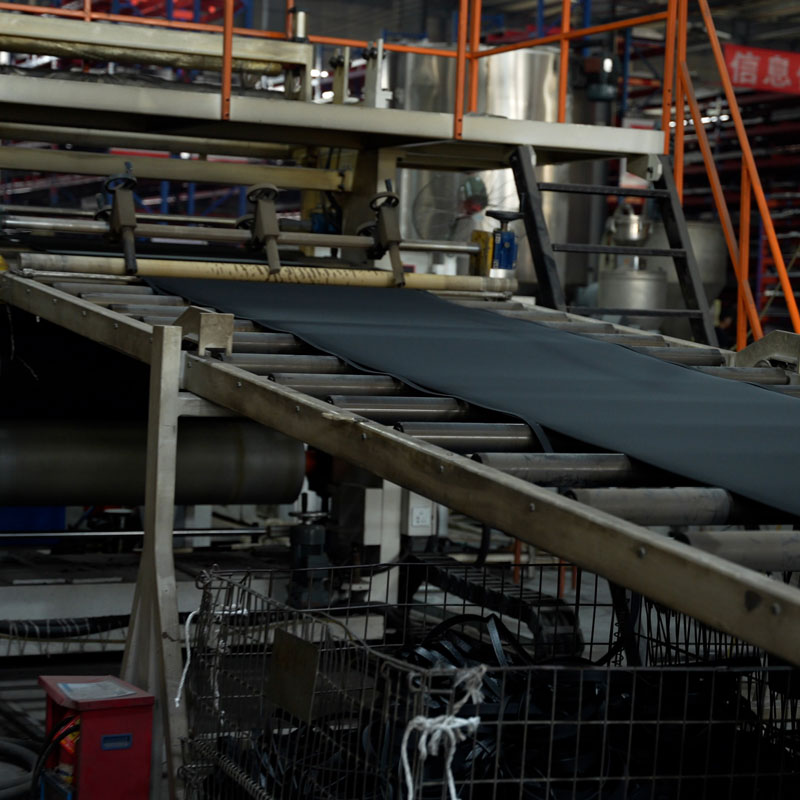
When searching for a car floor mat manufacturer or supplier, understanding how the product is actually produced is important.
Ask potential suppliers about:
- Production equipment
- Manufacturing processes
- Monthly production capacity
- Number and type of production lines
- Current production schedule
- Typical lead times
- Peak-season capacity
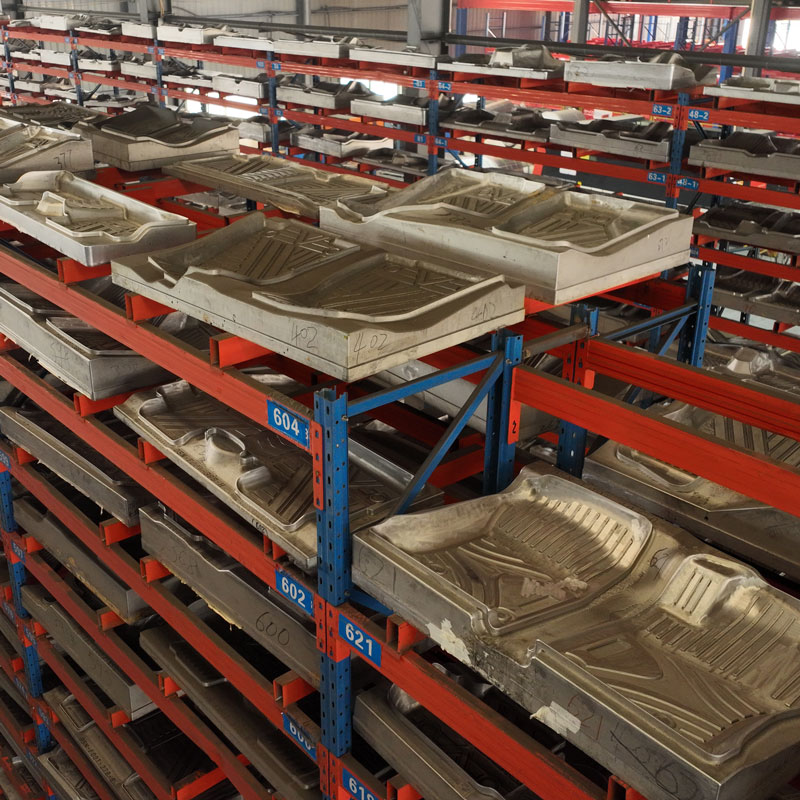
- Mold development capability
- OEM/ODM support
For custom-fit TPE car mats, you may also want to understand whether the supplier can support:
- 3D vehicle scanning
- Digital product design
- Mold development
- Sample development
- Vehicle fitment verification
A capable supplier should be able to explain its production process clearly and provide realistic information about capacity and lead time.
Photos, videos, virtual factory tours, and on-site audits can also help buyers understand actual manufacturing conditions.
4. Verify Production Capacity — Not Just Claimed Capacity
Production capacity becomes increasingly important as your business grows.
A supplier may perform well on a small trial order, but struggle when order volumes increase or peak-season demand arrives.
Ask questions such as:
- What is your normal monthly capacity for this product category?
- How much capacity is currently available?
- What is the standard production lead time?
- How does lead time change during peak seasons?
- Can you handle repeat orders with the same specifications?
- Can you support multiple SKUs in one order?
The goal is not simply to find the factory with the largest production number.
What matters is whether the supplier has sufficient and stable capacity for your purchasing plan.
For long-term wholesale programs, predictable production is often more valuable than an unrealistic promise of extremely fast delivery.
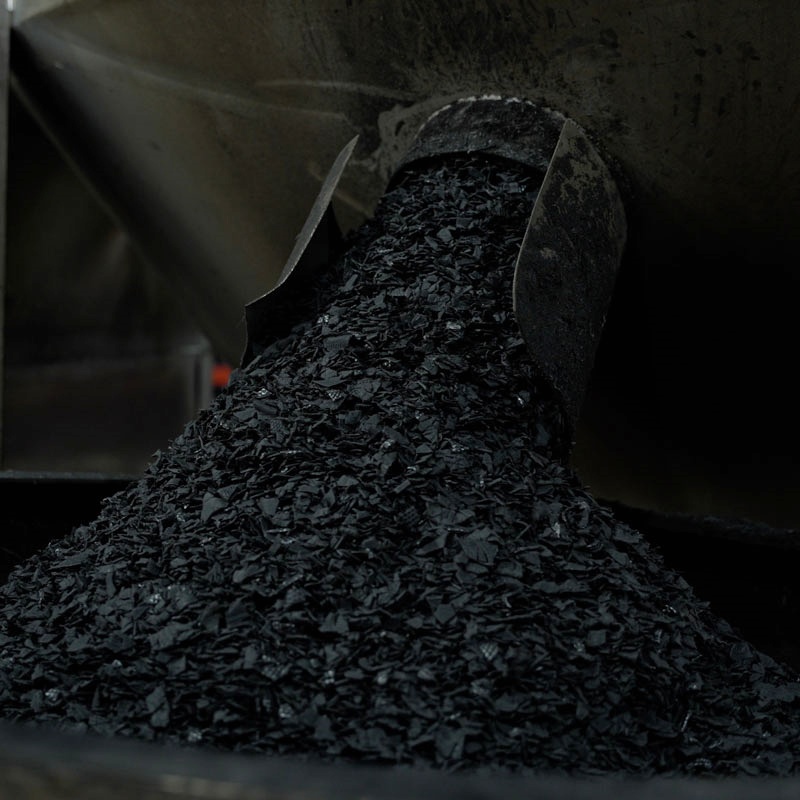
5. Check Material Specifications Carefully
“High-quality material” is not a useful purchasing specification.
Buyers should understand exactly what material is being used and what performance requirements it needs to meet.
Depending on the product, ask about:
- Material type and formulation
- Material hardness
- Product thickness
- Temperature resistance
- Odor requirements
- Wear resistance
- Chemical resistance
- UV resistance
- Recycled content, if applicable
- Relevant material compliance
For example, two products both described as “TPE car mats” may have different flexibility, odor, surface quality, weight, and long-term performance because they use different formulations.
Where necessary, request relevant:
- Material data sheets
- Test reports
- Compliance documentation
- Third-party laboratory reports
This is particularly important when importing automotive products into markets with specific regulatory or customer requirements.
6. Evaluate Vehicle Fitment for Custom Car Mats
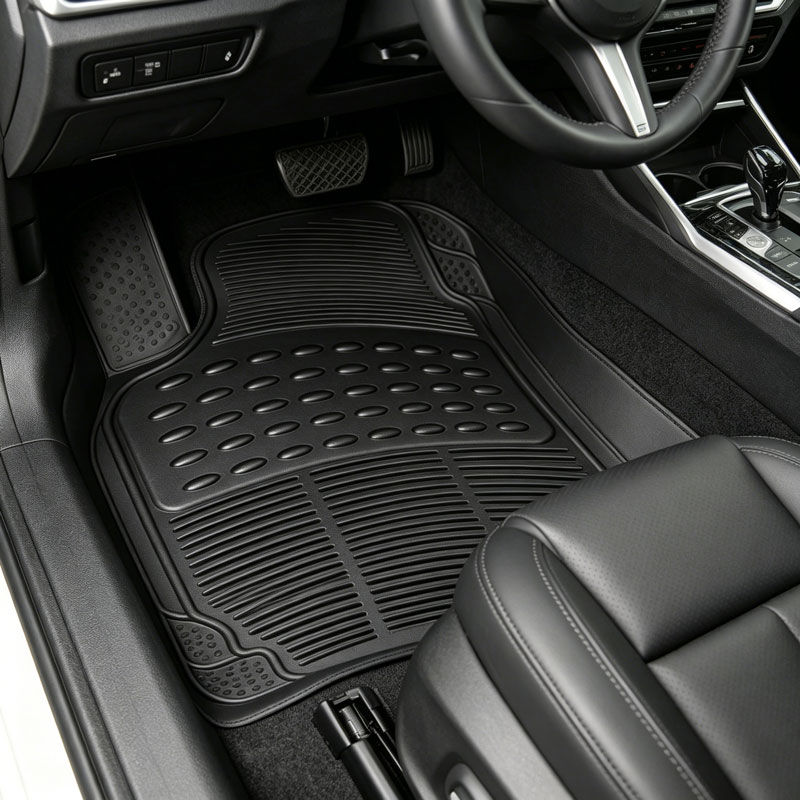
For vehicle-specific car floor mats, fitment is one of the most important quality factors.
A well-designed custom car mat should follow the vehicle’s interior contours and avoid interference with pedals, seat rails, and other components.
When evaluating a supplier, ask:
- How is vehicle data collected?
- Is 3D scanning used?
- Does the supplier have an existing vehicle data library?
- How are new vehicle models developed?
- How is sample fitment verified?
- What happens if the first sample requires modification?
Important areas to inspect can include:
- Edge alignment
- Pedal clearance
- Factory fixing positions
- Coverage area
- Raised edge height
- Rear-seat coverage
- Center tunnel fitment
For new mold projects, sample approval before mass production can help reduce the risk of large-scale fitment problems.
7. Understand the Supplier’s Quality Control Process
Quality assurance should cover more than final inspection.
A structured car floor mat QC process may include several stages.
A. Incoming Material Inspection
Raw materials are checked before entering production.
B. In-Process Inspection
Products are monitored during manufacturing to identify issues before an entire batch is completed.
C. Finished Product Inspection
Finished car mats can be checked for:
- Dimensions
- Surface defects
- Color consistency
- Thickness
- Edge finishing
- Logo position
- Fixing components
- Packaging
D. Pre-Shipment Inspection
For larger wholesale orders, buyers may conduct their own inspection or use an independent third-party inspection company.
The appropriate inspection scope depends on the order size, product requirements, and risk level.
8. Establish Clear Inspection Standards
Avoid using vague requirements such as:
“Quality must be good.”
Instead, convert your expectations into measurable standards.
These may include:
- Approved dimensions and tolerances
- Color reference
- Material specification
- Surface defect criteria
- Packaging requirements
- Logo position tolerance
- Product weight
- Fitment requirements
- Odor requirements
- Acceptable workmanship criteria
For larger orders, buyers may also use an AQL (Acceptable Quality Limit) sampling plan.
AQL should be agreed upon together with:
- Inspection level
- Lot size
- Sample size
- Defect classification
- Acceptance and rejection criteria
Major, minor, and critical defects should be clearly defined before inspection.
This makes quality discussions more objective and reduces disagreements after production.
9. Request Samples Before Mass Production
Samples are one of the most useful tools in B2B sourcing.
Before placing a large bulk car floor mat order, use samples to evaluate:
- Material feel
- Flexibility
- Thickness
- Surface texture
- Color
- Odor
- Edge finishing
- Logo quality
- Packaging
- Vehicle fitment
For customized projects, keep an approved sample or clearly documented specification as the production reference.
If possible, test the product under conditions similar to the actual market environment.
For example, a car floor mat intended for cold climates should be evaluated for low-temperature flexibility, while products intended for hot markets may require appropriate heat and odor performance.

10. Compare Total Sourcing Cost — Not Just Unit Price
A common sourcing mistake is selecting suppliers based entirely on the lowest quotation.
The real cost of a wholesale order includes much more than the product price.
Cost Factor | What to Evaluate |
Unit Price | Product cost based on agreed specifications |
MOQ | Capital and inventory requirements |
Mold Cost | Particularly important for custom-fit products |
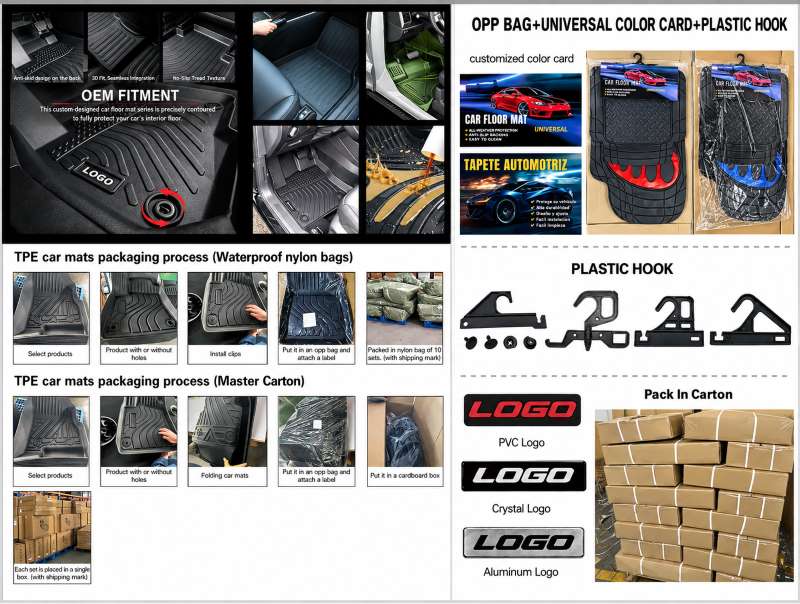
Packaging | Bulk, individual, retail, or private-label packaging |
Customization | Logo, color, texture, labels, etc. |
Freight | Product weight, volume, and shipping terms |
Duties & Taxes | Import costs in the destination market |
Lead Time | Inventory planning and carrying costs |
Quality Risk | Inspection, replacements, returns, and claims |
Payment Terms | Impact on cash flow |
Reorder Consistency | Cost of changing suppliers or correcting specifications |
For example, a lower unit price may result in higher overall costs if quality issues arise, leading to frequent replacements or increased returns.
For B2B buyers, total landed cost and long-term sourcing stability are usually more meaningful than unit price alone.
11. Evaluate OEM and Customization Capabilities
For distributors and automotive accessory brands, customization can create stronger differentiation than selling standard catalog products.
A capable OEM car mat manufacturer may support:
- Custom logos
- Embossed branding
- Custom colors
- Surface patterns
- Vehicle-specific development
- Product labels
- Barcode labels
- Instruction sheets
- Retail packaging
- Private-label packaging
Before starting an OEM project, confirm:
- MOQ
- Mold cost
- Sample cost
- Sample lead time
- Production lead time
- Packaging requirements
- Logo files and specifications
- Mold ownership
- Revision procedures
Document these requirements before production begins.
12. Start with a Trial Order
When working with a new supplier, consider starting with a manageable trial order before significantly increasing purchasing volume.
A trial order allows you to evaluate more than the product itself.
It can reveal:
- Communication efficiency
- Sample accuracy
- Production consistency
- Packaging quality
- Documentation accuracy
- Delivery performance
- Problem-solving ability
A supplier that performs well during both sampling and trial production provides more useful evidence for a long-term sourcing decision.
13. Watch for Potential Supplier Red Flags
No single warning sign automatically means a supplier is unreliable, but certain situations deserve additional verification.
Examples include:
- Product specifications remain vague after repeated questions
- Material claims cannot be supported with appropriate documentation
- Factory or production information cannot be reasonably verified
- Sample quality differs significantly from the agreed specification
- Lead times change repeatedly without clear explanations
- Quotations omit important costs
- Customization requirements are not documented
- Quality standards are unclear
- The supplier avoids discussing how claims or defects are handled
The appropriate response is not always to reject the supplier immediately.
Instead, increase verification before committing to a larger order.
14. Build a Repeatable Supplier Evaluation System
For businesses sourcing multiple car accessory products, supplier selection should become a repeatable process.
You can evaluate potential suppliers across several categories:
Evaluation Area | Questions to Ask |
Manufacturing | Can they produce the required product consistently? |
Capacity | Can they support current and future volume? |
Material | Are specifications clearly documented? |
Quality Control | Are inspections structured and traceable? |
Customization | Can they support your OEM/ODM requirements? |
Lead Time | Is production planning realistic? |
Communication | Are technical and commercial questions answered clearly? |
Compliance | Can required documentation be provided? |
Cost | Is total sourcing cost competitive? |
After-Sales | How are quality claims handled? |
This approach makes it easier to compare suppliers objectively instead of relying only on quotations or sales presentations.
How to Choose the Right Car Floor Mat Supplier
A reliable wholesale supplier should be able to provide more than a competitive price.
Look for a partner that can demonstrate:
- Appropriate manufacturing capability
- Stable production capacity
- Clear material specifications
- Structured quality control
- Sample development support
- Reliable communication
- OEM/ODM customization
- Consistent repeat-order performance
The best supplier for your business is not necessarily the largest factory or the lowest-priced quotation.
It is the supplier whose capabilities best match your product requirements, target market, order volume, quality expectations, and long-term sourcing strategy.
FAQ
1. What is the MOQ for wholesale car floor mats?
MOQ depends on the material, vehicle model, customization, and packaging requirements. Existing designs usually offer more flexible quantities, while custom-fit or new-mold projects may require a higher MOQ.
2. Which material is best for wholesale car floor mats?
TPE is well suited for custom-fit car mats, rubber is commonly used for durable and heavy-duty applications, while carpet is often chosen for comfort and interior styling. The right material depends on your target market, vehicle application, and price positioning.
3. Can car floor mats be customized for private-label brands?
Yes. Common OEM/ODM options include custom logos, colors, textures, vehicle-specific designs, labels, and private-label packaging. For custom-fit products, 3D scanning and new mold development may also be available.
4. What should I check before placing a bulk order?
Before mass production, confirm the material specification, vehicle fitment, sample quality, MOQ, lead time, packaging, inspection standards, and total sourcing cost. An approved sample is also recommended as a reference for mass production.
Looking for Car Floor Mats for Wholesale or OEM Projects?
If you are sourcing car floor mats in bulk for wholesale, or OEM/ODM projects, AUDLY provides customized car floor mat solutions for different market requirements.
Our product and customization options can include:
- TPE car mats
- Rubber car mats
- Carpet car mats
- Vehicle-specific car floor mats
- Custom logos
- Custom colors and textures
- OEM/ODM development
- Private-label packaging
- Bulk and wholesale order support
Send us your target market, vehicle models, required material, estimated quantity, and customization requirements to discuss your car floor mat sourcing project.