
Choosing the right material is one of the most important decisions when developing a car seat cover product line. For car accessories distributors, the choice between neoprene and polyester affects more than product appearance. It also influences water resistance, durability, manufacturing costs, target customers, and market positioning.
Neoprene car seat covers are often associated with water resistance and outdoor use, while polyester car seat covers offer greater flexibility in fabric selection, styling, and price positioning. However, actual performance depends on the material construction, coating, backing, stitching, and overall product design.
For businesses sourcing from a car seat cover manufacturer, understanding these differences helps buyers select products that match their target market and business objectives.
In this guide, we compare neoprene vs. polyester car seat covers from a B2B sourcing perspective, covering material properties, product applications, wholesale purchasing considerations, and OEM/ODM customization options.
1. What Are Neoprene and Polyester Car Seat Covers?
Before comparing their performance, it is important to understand how these two materials differ.
A. What Are Neoprene Car Seat Covers?
Neoprene is a synthetic rubber known for its flexibility, cushioning, and resistance to moisture. It is widely associated with products designed for wet environments and outdoor activities.
In automotive seat covers, neoprene may be used as a primary material or as part of a layered construction that combines textile surfaces with rubber-based backing or foam layers.
Key characteristics include:
- Water resistance:Suitable for applications where protection against spills and moisture is important, depending on the complete material construction.
- Flexible structure:Helps the cover conform to seat contours when properly designed.
- Cushioned feel:Certain constructions provide a softer, more padded seating surface.
- Outdoor-oriented positioning:Often suitable for products marketed toward active lifestyles and demanding environments.
For automotive accessories wholesalers and distributors, neoprene car seat covers can serve as a differentiated product category targeting customers who prioritize moisture protection and functional performance.
However, buyers should verify whether a product uses genuine neoprene or a neoprene-like material, as the terms are not interchangeable.
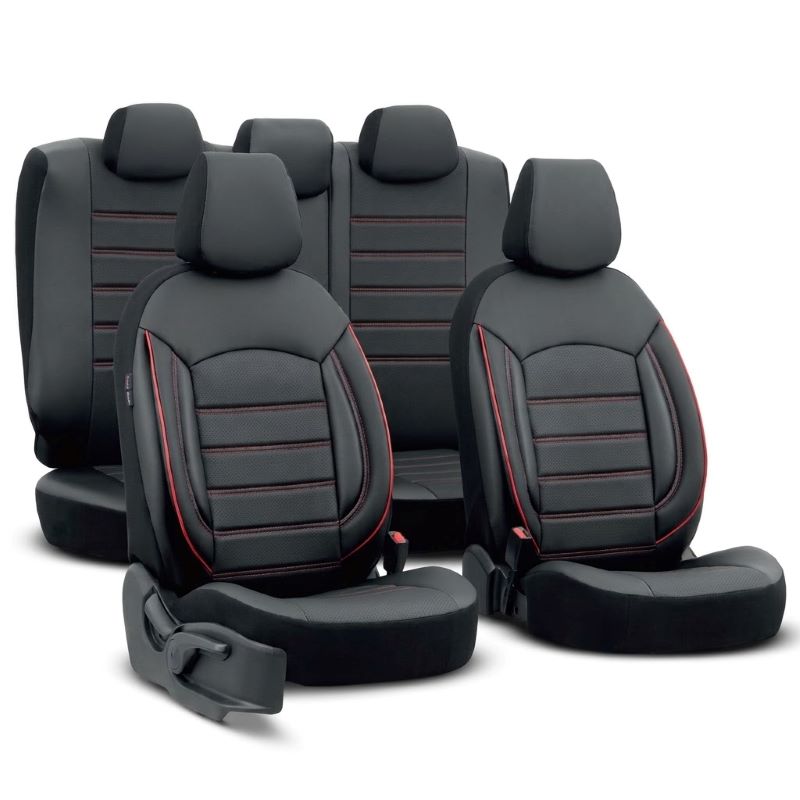
B. What Are Polyester Car Seat Covers?
Polyester is a synthetic textile fiber widely used in automotive interiors, upholstery, and protective car seat covers. It can be manufactured into different fabric constructions, including woven fabrics, knitted fabrics, and textured textiles.
Its appearance and performance vary according to yarn specifications, fabric density, finishing treatments, and backing materials.
Key characteristics include:
- Design versatility:Available in various colors, textures, patterns, and fabric weights.
- Lightweight construction:Many polyester fabrics are relatively lightweight and easy to handle during manufacturing.
- Cost flexibility:Different fabric grades support a range of product price points.
- Customization potential:Suitable for various branding, stitching, and packaging requirements.
- Broad market appeal:Can be developed for everyday automotive use, entry-level products, or more premium-looking collections.
For a car seat cover supplier, polyester provides a versatile material option for building product lines across different vehicle segments and retail channels.
It is important to note that standard polyester fabric is not inherently waterproof. Water resistance depends on additional coatings, laminations, or other construction features.
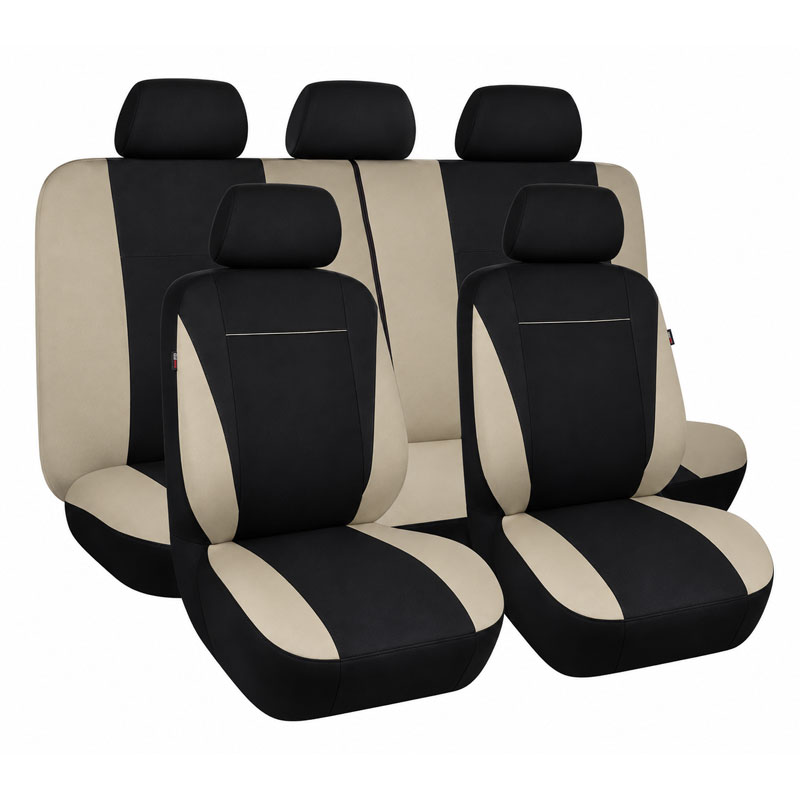
2. Neoprene vs. Polyester Car Seat Covers: A Quick Comparison
The following table summarizes the key differences that B2B buyers should evaluate when sourcing car seat covers.
Comparison Factor | Neoprene Seat Covers | Polyester Seat Covers |
Base material | Synthetic rubber, sometimes used in layered constructions | Synthetic textile fiber |
Water resistance | Generally a stronger selling point; depends on construction | Varies; standard fabric is not inherently waterproof |
Flexibility | Flexible rubber-based material | Depends on fabric structure and stretch properties |
Cushioning | Can provide a cushioned feel | Depends on fabric thickness and backing |
Breathability | Varies; some constructions retain more heat | Varies by weave, knit, density, and backing |
Design options | Often focused on functional and outdoor-oriented styles | Broad range of colors, textures, and patterns |
Price positioning | Often positioned in functional or specialty segments | Supports entry-level through premium-looking segments |
Typical applications | Moisture-conscious and outdoor-oriented product lines | Everyday use and diverse automotive interior styles |
Customization | Color, dimensions, construction, branding, and packaging | Fabric selection, colors, patterns, stitching, branding, and packaging |
Key sourcing concern | Material authenticity, sealing, and construction quality | Fabric grade, abrasion resistance, colorfastness, and finishing |
Important: These are general material tendencies, not guaranteed product specifications. Actual performance should be confirmed through samples, technical data, and appropriate testing.
3. Water Resistance: Which Material Offers Better Protection?
Water resistance is one of the most important differences between neoprene and polyester car seat covers.
A. Neoprene Car Seat Covers
Neoprene is commonly selected for its resistance to moisture. When used in a suitable construction, it can help protect original upholstery from spills, wet clothing, and other everyday sources of moisture.
This makes neoprene an attractive option for product lines targeting outdoor enthusiasts, pet owners, and customers who need additional protection for their vehicle interiors.
However, buyers should not assume that every neoprene car seat cover is fully waterproof. Seams, zippers, stitching holes, and uncovered areas can allow water to penetrate.
B. Polyester Car Seat Covers
Standard polyester fabric can absorb or allow water to pass through, depending on its construction and finish. Some polyester car seat covers incorporate water-repellent treatments, waterproof coatings, or laminated backing to improve moisture protection.
For buyers developing a polyester-based product line, these treatments can help create different performance levels without changing the primary fiber.
B2B Sourcing Considerations
For car seat cover distributors, water resistance should be evaluated at the finished-product level rather than by material name alone.
Ask your car seat cover manufacturer about:
- Whether the material is water-repellent, water-resistant, or waterproof.
- Whether a coating, membrane, or laminated backing is used.
- How seams and stitching affect moisture penetration.
- Whether water-resistance testing is available.
- How repeated cleaning affects the material’s performance.
These details help buyers select products with realistic performance claims and reduce the risk of customer complaints.
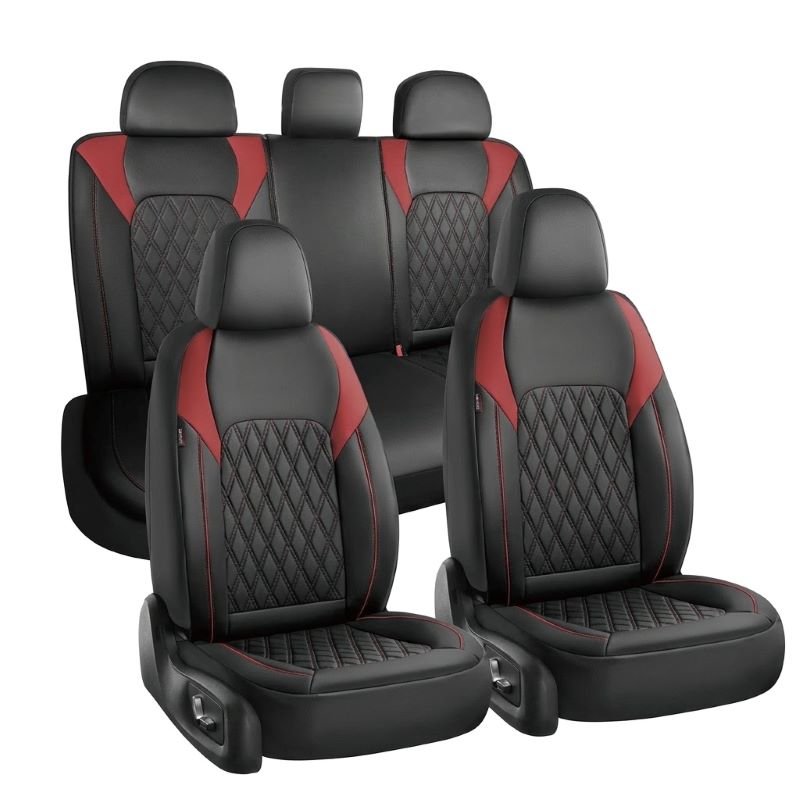
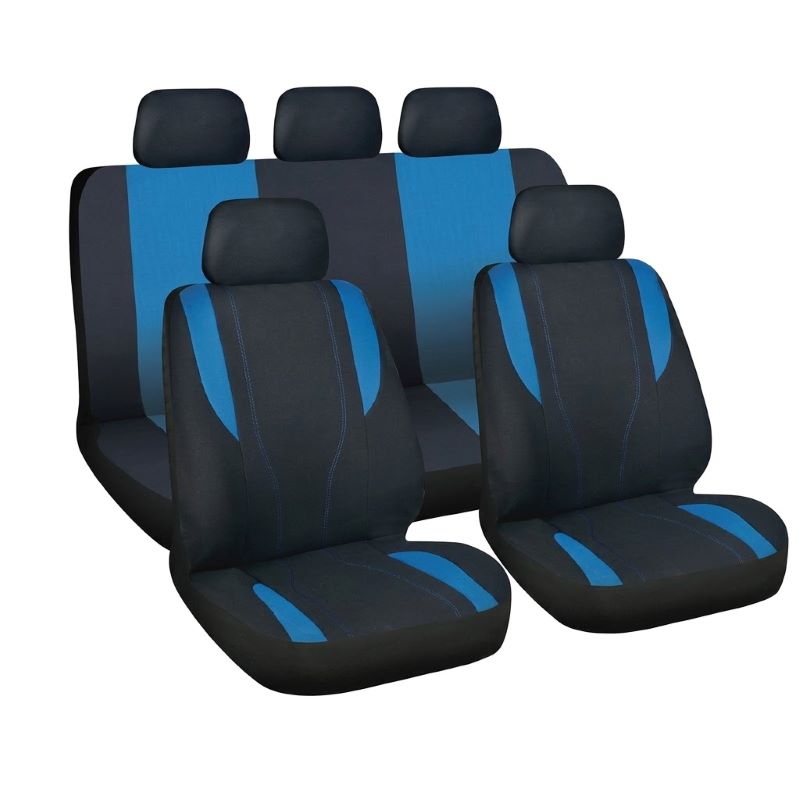
4. Durability and Wear Resistance
Durability is another major consideration for automotive seat cover wholesale programs, especially when products are sold through distributors, automotive accessory retailers, and aftermarket brands.
A. Neoprene Car Seat Covers
Neoprene-based constructions can provide flexibility and useful resistance to moisture and repeated handling. Their long-term durability, however, depends on the quality of the rubber, textile layers, bonding, and finishing.
Buyers should assess whether the material maintains its flexibility over time and whether the layered construction is resistant to cracking, peeling, or delamination.
B. Polyester Car Seat Covers
Polyester is widely used in automotive textiles because it can offer a useful balance of strength, weight, and cost.
Performance varies significantly between fabric grades. Higher-quality polyester fabrics may provide good abrasion resistance, dimensional stability, and color retention, while lower-grade options may show pilling, fading, or premature wear.
C. What Should Wholesale Buyers Test?
When evaluating samples from a car seat cover factory, consider the following:
- Abrasion resistance under repeated friction.
- Seam strength and stitching consistency.
- Colorfastness during cleaning and exposure to light.
- Resistance to pilling, snagging, or surface damage.
- Dimensional stability after cleaning.
- Bonding strength for coated or laminated materials.
The appropriate test methods and acceptance criteria should reflect the intended application and target market.
For B2B buyers, a documented quality-control process is more useful than relying on broad claims such as “premium quality” or “heavy-duty material.”
5. Comfort, Breathability, and Fitment
Material performance alone does not determine the user experience. Fabric construction, seat-cover thickness, backing, pattern design, and installation also influence comfort and fit.
A. Neoprene Car Seat Covers
Some neoprene car seat covers have a soft, cushioned feel and conform well to seat contours when properly designed.
However, certain rubber-based or laminated constructions may retain more heat or provide less airflow than breathable textile alternatives. The actual result depends on the surface fabric, thickness, and backing.
For buyers targeting warm climates, comfort testing should be part of the product evaluation process.
B. Polyester Car Seat Covers
Polyester fabrics offer a wide range of constructions, from lightweight woven textiles to thicker, textured, or padded materials.
Some polyester fabrics provide better airflow than dense rubber-based constructions, although polyester is not automatically more breathable in every application.
Fitment is equally important. Poorly designed covers may wrinkle, shift, or interfere with normal seat functions, regardless of the fabric used.
C. Product Development Considerations
For a custom car seat cover project, buyers should evaluate:
- Fabric weight and thickness.
- Surface texture and seating comfort.
- Stretch and recovery properties.
- Pattern accuracy for the intended vehicle model.
- Compatibility with headrests, seat controls, and seat-mounted features.
- Installation requirements and attachment methods.
For vehicles equipped with seat-mounted airbags, the seat-cover design must preserve the intended airbag deployment path. Buyers should request relevant compatibility documentation and testing evidence before approving a product for sale.
6. Design Flexibility and OEM/ODM Customization
For private-label brands and automotive accessories distributors, customization can be just as important as material performance.
The two materials offer different opportunities for product development.
A. Neoprene Car Seat Cover Customization
Neoprene-based products can be developed with different colors, surface finishes, thicknesses, and layered constructions, subject to material availability and manufacturing capabilities.
Potential customization options include:
- Custom dimensions and vehicle-specific patterns.
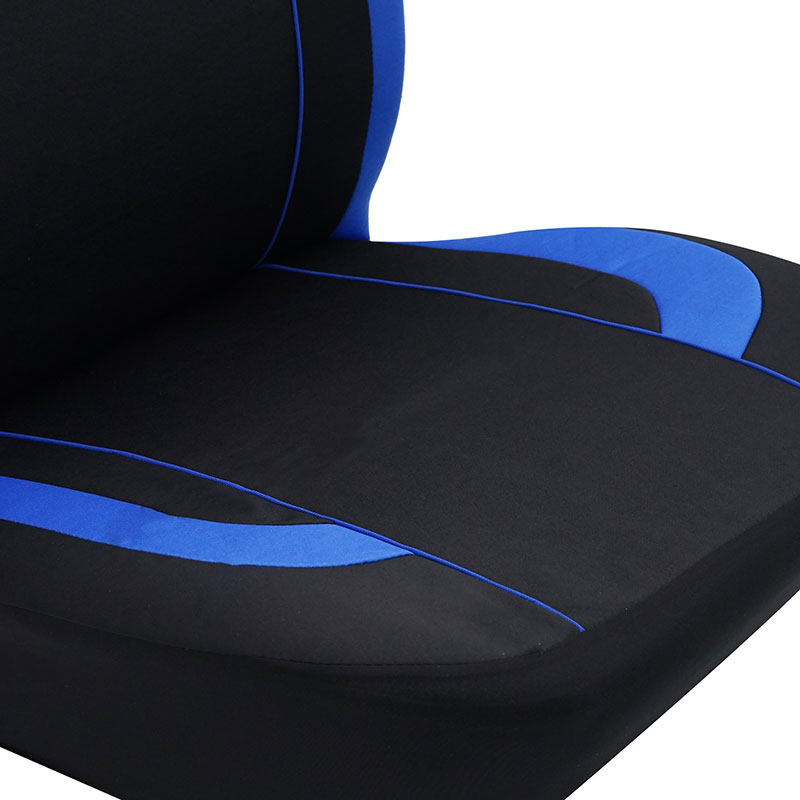
- Color combinations and contrasting details.
- Brand logos and labels.
- Packaging design and retail presentation.
- Material thickness and backing specifications.
These options can help brands develop functional seat-cover collections with a consistent visual identity.
B. Polyester Car Seat Cover Customization
Polyester offers a broad range of textile choices, making it suitable for product lines that require varied styles and price points.
Depending on the fabric and production process, OEM/ODM options may include:
- Custom colors, patterns, and textures.
- Different fabric weights and finishes.
- Embroidery, woven labels, or other branding methods.
- Contrast stitching and decorative panels.
- Custom packaging, barcodes, and retail boxes.
- Vehicle-specific designs or selected universal-fit styles.
For buyers building multiple product tiers, polyester can provide flexibility in balancing appearance, specifications, and target selling prices.
Working With an OEM/ODM Car Seat Cover Manufacturer
Before starting a custom project, provide your supplier with a clear product brief covering:
- Target market and intended customer segment.
- Preferred material and required performance characteristics.
- Vehicle applications and fitment requirements.
- Colors, logo placement, and packaging specifications.
- Target order quantity and target cost.
- Sample approval and quality-control requirements.
A clear specification makes it easier to compare supplier quotations and reduces misunderstandings during production.
7. Cost and Wholesale Purchasing Considerations
There is no universal rule that neoprene car seat covers are always more expensive than polyester car seat covers. Pricing depends on material grade, construction complexity, product design, order quantity, and customization requirements.
Neoprene Car Seat Covers: Cost Factors
Potential cost drivers include:
- Rubber material grade and thickness.
- Additional textile or foam layers.
- Lamination and bonding processes.
- Cutting, stitching, and finishing requirements.
- Packaging and customization specifications.
Products with specialized constructions or enhanced moisture protection may require higher material and processing costs.
Polyester Car Seat Covers: Cost Factors
Key cost factors include:
- Fabric weight, density, and quality.
- Weaving or knitting specifications.
- Coatings, backing, and other finishing treatments.
- Pattern complexity and decorative details.
- Branding, packaging, and order quantity.
Different polyester grades allow suppliers to develop products for multiple price segments.
How Should B2B Buyers Compare Quotations?
When requesting a quotation from a car seat cover wholesaler or manufacturer, compare products against the same specification.
A useful RFQ should include:
Quotation Item | Information to Confirm |
Material | Exact fiber or rubber composition and construction |
Product design | Universal fit or vehicle-specific fit |
Set configuration | Front seats, rear seats, or complete set |
Performance | Water resistance, abrasion resistance, and relevant test results |
Customization | Logo, color, stitching, and packaging |
MOQ | Minimum order quantity for standard and customized products |
Sampling | Sample cost, lead time, and approval process |
Production | Manufacturing lead time and quality-control procedures |
Commercial terms | Unit price, shipping terms, and payment conditions |
Comparing quotations on an equivalent basis helps buyers identify genuine cost differences rather than choosing solely on the lowest unit price.
8. Which Car Seat Cover Material Is Better for Different Markets?
The best choice depends on your customers, distribution channels, and product positioning.
Target Market or Product Strategy | Material to Consider | Reason |
Outdoor and moisture-conscious applications | Neoprene-based constructions | Moisture protection can be a key selling point |
Entry-level automotive accessories | Cost-optimized polyester | Supports competitive price positioning |
Multi-style retail collections | Polyester | Broad options for colors, patterns, and textures |
Functional specialty seat covers | Neoprene | Can support a differentiated performance proposition |
Private-label programs | Either material | Depends on brand positioning, specifications, and target cost |
Vehicle-specific aftermarket products | Either material | Fitment accuracy and vehicle compatibility are essential |
These are starting points rather than fixed rules. A well-designed polyester car seat cover with an appropriate coating may suit moisture-conscious applications, while some neoprene car seat covers may be unsuitable for customers who prioritize lightweight, breathable textiles.
For distributors entering a new market, it is often more effective to compare sample products and customer requirements before committing to a large production order.
9. How to Choose a Reliable Car Seat Cover Supplier
Selecting the right material is only part of the sourcing process. The supplier’s ability to maintain product consistency, support customization, and manage production also affects long-term business performance.
When evaluating a car seat cover manufacturer or OEM car seat cover supplier, consider the following factors.
A. Manufacturing Capability
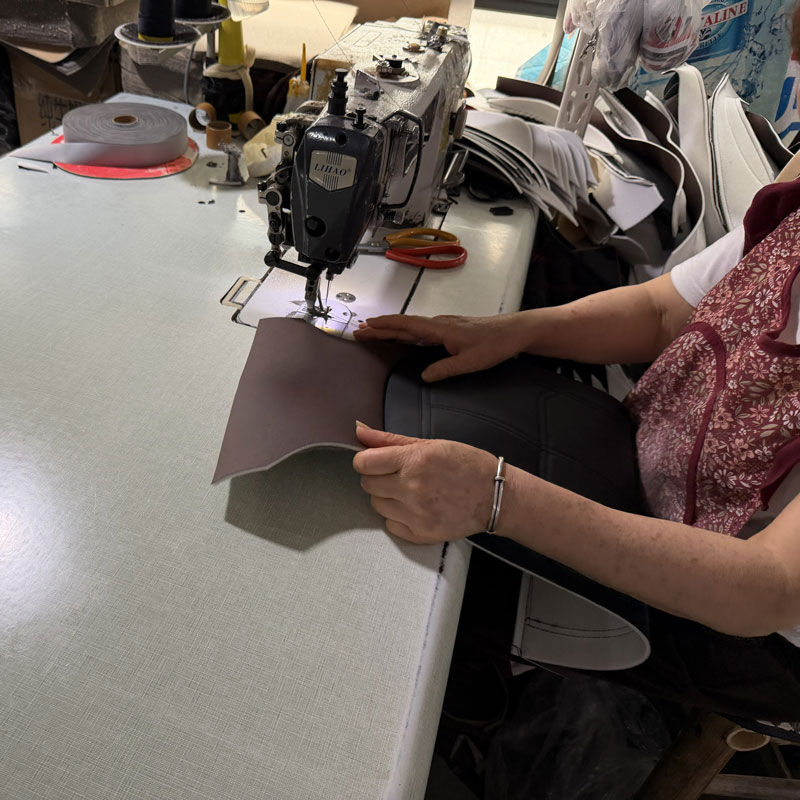
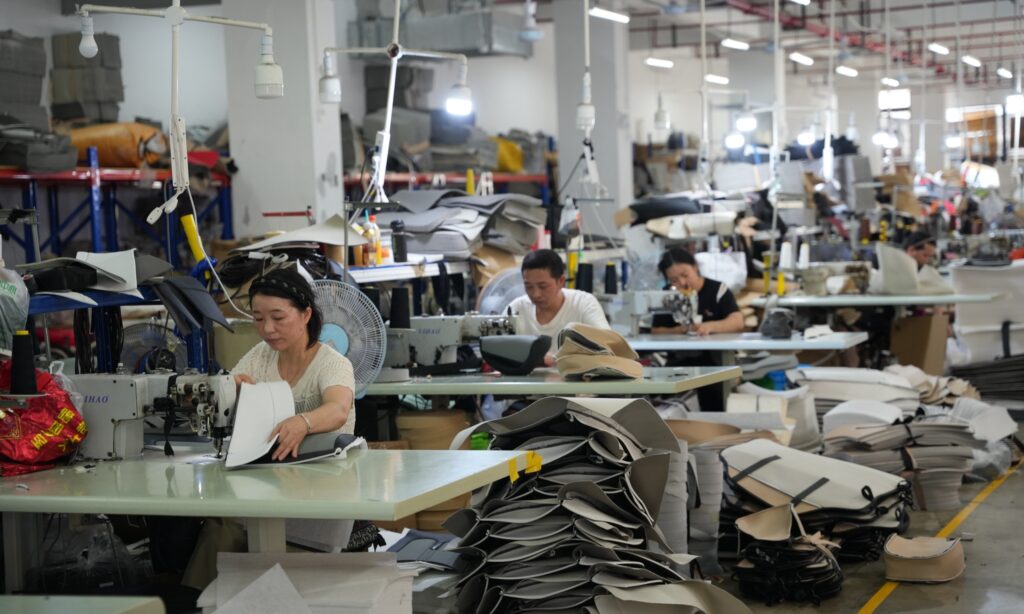
Ask about production equipment, material sourcing, pattern development, and the supplier’s experience with similar products.
A capable car seat cover manufacturer should be able to explain how material specifications influence the finished product.
B. Quality Control
Confirm whether the supplier has documented inspection procedures for incoming materials, cutting, stitching, finished products, and packaging.
Request relevant test reports when performance claims are important to your market.
C. OEM/ODM Support
For private-label projects, check whether the supplier can support custom materials, colors, logos, packaging, and vehicle-specific development.
Confirm which options are available for your required quantity rather than assuming every customization is included.
D. MOQ and Production Lead Time
Ask for the minimum order quantity for standard products and customized orders separately.
Also clarify sample lead time, sample approval procedures, production lead time, and how changes to an approved specification will be handled.
E. Communication and Export Experience
For international buyers, clear communication and reliable documentation help reduce sourcing risks.
Discuss product specifications, packaging requirements, shipping arrangements, and the documentation needed for your destination market before confirming an order.
A supplier that provides clear specifications and consistent quality documentation can be a more valuable long-term partner than one offering only a low initial quotation.
10. Neoprene vs. Polyester Car Seat Covers: Which Should Your Business Choose?
Neoprene and polyester car seat covers serve different product strategies, and neither material is universally superior.
Choose neoprene-based car seat covers when:
- Moisture resistance is a priority.
- Your target customers value functional or outdoor-oriented products.
- Your product positioning supports the selected material’s cost and construction.
- You can verify the finished product’s actual water-resistance performance.
Choose polyester car seat covers when:
- You need a broad selection of colors, patterns, and textures.
- Your product range targets multiple price segments.
- Fabric customization and retail presentation are important.
- You want flexibility in developing different styles and specifications.
For automotive accessories distributors and private-label brands, the final decision should be based on material specifications, customer expectations, target pricing, and supplier capability.
Working with an experienced car seat cover manufacturer can help you evaluate material options, develop custom products, and establish consistent specifications for repeat orders.
Looking for a Custom Car Seat Cover Manufacturing Partner?
AUDLY provides automotive accessories manufacturing and OEM/ODM customization support for business buyers looking to develop their own product ranges.
If you are sourcing polyester car seat covers, exploring neoprene-based designs, or developing a private-label automotive accessories collection, define your target market, required specifications, and expected order quantity before requesting a quotation.
Contact our team to discuss material options, customization requirements, and product development for your business.